Almudarabah.com & islamandsciencetoday.com are websites established to publish contemporary Islamic research, with the aim of providing a venue for Muslim scholars and intellectuals to review and discuss such issues.
Our researches are in the Arabic language because this is the language of the holy Quran, Hadith, and the majority of the Muslim scholars’ writings accumulated throughout the various ages of Islam. Gathering and reviewing such information from its original sources is essential to ensure that none of the original meaning is lost or misinterpreted during translation, especially for the verses of the Holy Quran and Hadith.
Although our researches are in the Arabic language, and at this time, only a few articles are published in the English language, we will Inshaa’Allah put an effort to write brief articles in the English language to summarize the outcome and conclusions reached in our studies, hoping to involve the very important and valued contribution of the non-Arab Muslim scholars, who during the history of Islam, have played a major role in advancing and enriching our culture and knowledge.
On the other hand, we consider translating the full published research and studies is of great importance, but this is an enormous task beyond our means and ability. That is why, we welcome any serious party willing to carry out part or parts of this tremendous task, their reward like ours, will be Inshaa’Allah the blessings of Allah.
Finally, we are hoping that this site will become a virtual conference place or a kind of workshop for all serious open-minded Muslim thinkers to review, share, discuss and hopefully guide and advance this research.
In today’s world of vast; varied and specialized knowledge, which is continuously advancing and opening new fields and horizons, no one man can master and conclude any subject. However, serious studies and research shall start from one point, then it should be placed in the open, to be reviewed by many intellectuals each in his or her specialized field, to scrutinize, examine and contribute toward advancing such research till it reaches its final or near final conclusion.
I have also advanced the researches and I am publishing them on Amazon/Books:
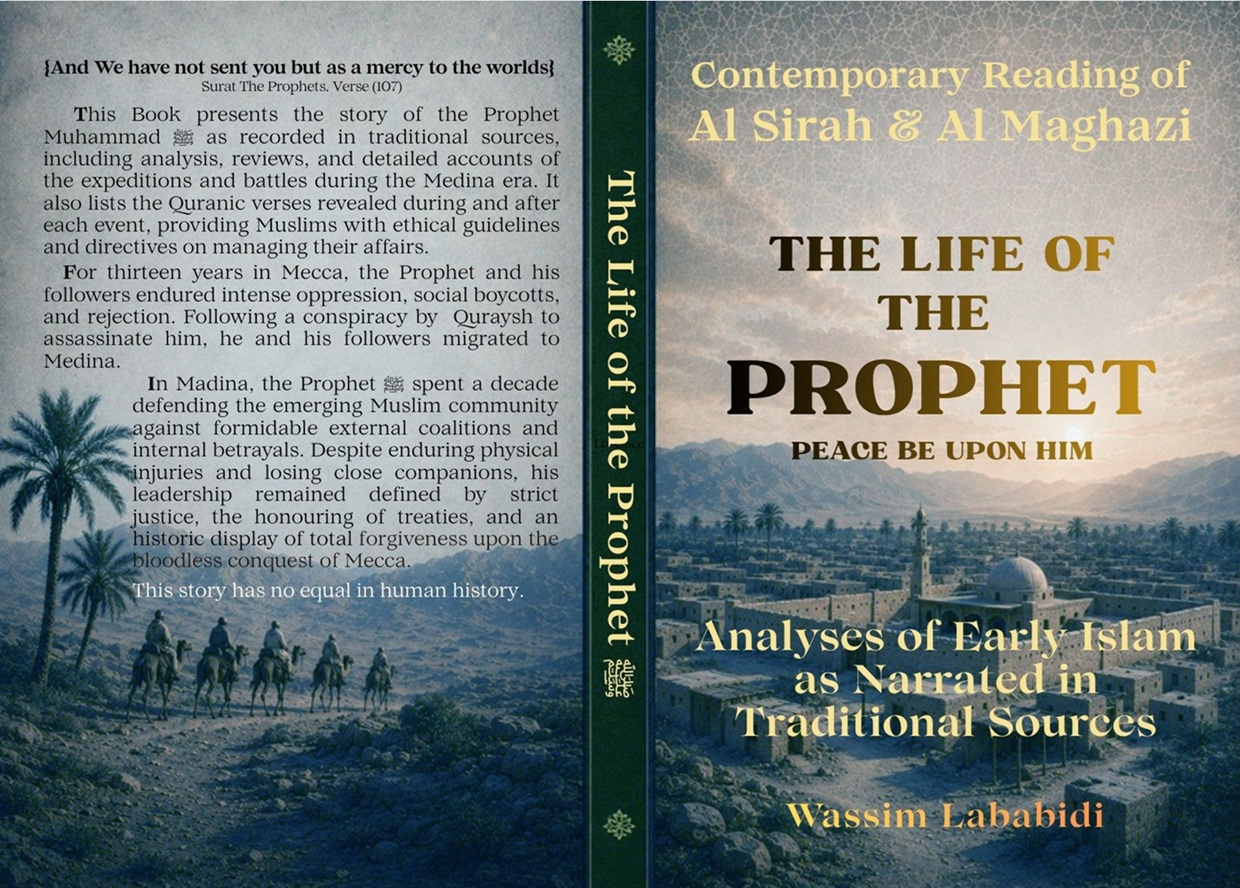
Image of the Book Covers are shown under this Introduction and how to read the eBooks on any device.
The English language books are published on Paperback and eBooks.
The Arabic language books (shown on the Arabic Front Page) are only published as eBooks and can be read on a Kindle, Tablet, iPad, iPhone and Android phone.
All books are priced at or near the minimum allowed by the publisher Amazon (Their minimum price covers Amazon’s printing, management and publishing costs).
Please visit the YouTube channel and view a video, leave a comment or subscribe, so I know it is working and to avoid YouTube closing it. Thank you.
The main studies we are introducing on this site are:
Al Mudarabah: comprehensive research; which was printed a couple of decades ago in a 440 pages book and was distributed to academics, scholars and intellectuals working in the various fields of Islamic banking & financial institutions. The whole book is published again in digital form in this website, providing a valuable reference and materials useful to researchers, economists and bankers.
The research reviewed and listed the conditions of the Mudarabah contract, and its application in our modern times, and showed that it can be safely used as it has built in, adequate safeguards and conditions to equally protect the interest of the two partners and to ensure a satisfactory outcome of the business transaction. It also provides the means to justly measure the value of each party’s contribution and accordingly its fair share of the profit. A more detailed brief will be published on page ‘Menu/Al Mudarabah/Introduction’.
Al Zakat: Scholars have differed since early Islam on the rules of and dues under Zakat. Based on the Quran, Sunnah, Hadith, and other Islamic sources, the research provides a different and new understanding of this religious duty (فريضة الزكاة), leading to a well-defined rule applicable equally to all types of money, investments and economic activities. A more detailed brief is published on page ‘Menu/Al Zakat’.
Creation:In this 21st century, the issue of creation is still troubling all religions, and the debate is still as engaged as it was 160 years ago when the concept of evolution was first published. However, we –Muslims- are blessed with the holy book which was revealed to our prophet (PBUH) some 1400 years ago.
Our research methodology is 1) to gather and list all the relevant verses in the Quran which cover the topics of creation, the observed universe and life. In the same time, 2) review and summarize the latest scientific theories and concepts covering various fields of the present human knowledge, 3) review and study the early scholar’s interpretations of the gathered Quranic verses relevant to this subject. 4) we looked at the direct meaning of the words as listed in the early accepted Arabic dictionary books (Ma’ajem معاجم اللغة), to reach the direct meaning of the Quranic verse.
In all the verses we studied; the direct interpretation of these verses did not disagree with any of the contemporary scientific understandings, including the concepts of evolution and the creation of the universe. This research extended to almost 400 pages, with Chapter 3 dealing with the creation of man and Chapter 4 dealing with the creation of the universe and with the physics of the observed world. A more detailed brief will be published on page ‘Menu/Creation’.
I sincerely hope that you will read and contribute to these researches. May Allah bless this great nation and direct us to the straight path.
All English language eBooks can be read on your PC, MAC and on all other devices such as tablets, iPad including mobiles.
All Arabic Language eBooks can be read on all devices including your mobile and computer.
All eBooks are priced at the allowed minimum of US $2.99 from Amazon.com And £1.99 from Amazon.co.uk
Kindle for PC & MAC
With the free Kindle for PC, You can read (and/or Listen using ‘Text to speech’ found in the Menu under Tools) English language eBooks on any device, including Computers and Laptops. (This applies to all my English Language eBooks).
First:
Install or Update the ‘Kindle For PC on Your Computer’
Download and install Kindle:
Search Google for Kindle for pc
Page title: Install or Update the Kindle For PC on Your Computer. Then ‘Download for PC or Mac’
To get the App on your mobile, it is in the Google Play Store
To install the Kindle app on an Android device (mobile):Open the Google Play Store, search for “Kindle” or ‘Kindle free read’, select the app, and then tap “Install”Once installed, open the app and sign in with your Amazon account. Your Kindle library should then appear, and you can start reading by tapping on a book to download it.
To register an account with Amazon, just type your email as a user name, then choose a password.
Second:
All English language books can be read on your PC, All Arabic Language eBooks can be read on all devices including your mobile (but not on computer).
Find the book in Amazon Category Books
Search for the Book title
Or search in Amazon .com: Books/ Wassim Lababidi For Amazon.co.uk/ Wassim Lababidi But if the book you wanted is not showing, then enter the name in Arabic وسيم اللبابيدي to get the Arabic language books. If still not showing enter the book title in any Amazon.
Added Pages:
Index of the Videos published on the Channel on FaceBook.
Blog/ Al modawanah
YouTube Channel ‘Al Mudarabah’ Addresses of Videos published are listed with links on the page titled Videos here in this website. The Links are not working because YouTube terminated the Channel. A new channel on Facebook is already established and I am republishing the videos on Contemporary Islamic Research | Facebook.
Important Notice: To be able to see the videos uploaded on Facebook, you must have a Facebook account / page.
Index of the Videos Published in the English Language on Facebook:
Unfortunately all the links to the videos are not working, so please go the Facebook page Contemporary Islamic Research (you need to have Facebook account) and you will find many of these videos there.
لقد أكد الفقهاء هذا الأمر، فجعلوا الزكاة تتوجب في المال النامي حقيقة أو حكمًا، أي في كل الأموال التي لها خاصية النماء. أما الأموال التي لا تنمو ولا يقصد النماء فيها لأنها ليست من الفضل مثل أموال القنية، كالبيت والسيارة والأثاث وغيرهم مما يحتاجه الرجل لمعاشه ومعاش أهله، فليس فيها زكاة.
يقول ابن رشد فى المقدمات ص 201 : ”إن الزكاة سميت بذلك لأنها لا تؤخذ إلا من الأموال التى يبتغى بها النماء لا من العروض المقتناه، فالزكاة فى اللغة النماء وسميت بالنماء لتعلقها به“ .
ويقول الزيلعى صاحب تبين الحقائق شرح كنز الدقائق ص 253 عن سبب اشتراط مضى الحول : ”لكون الواجب جزءا من الفضل لا من رأس المال لقوله تعالى {ويسئلونك ماذا ينفقون قل العفو} أى الفضل والنمو وإنما يتحقق فى الحول غالبا فأقيم السبب الظاهر وهو الحول مقام المسبب وهو النمو“.
وقد انتهى الجمهور الى أن الزكاة تؤخذ من الأموال التي يبتغى بها النماء ولا يُشترط تحقق هذا النماء، وهذا غير ما بينته الآية الكريمة: {يَا أَيُّهَا الَّذِينَ آمَنُوا أَنْفِقُوا مِنْ طَيِّبَاتِ مَا كَسَبْتُمْ وَمِمَّا أَخْرَجْنَا لَكُمْ مِنَ الْأَرْضِ} والتي تحدد ان الإنفاق يكون من الكسب أي من النماء ذاته وليس من الأموال التي يبتغى بها النماء. أنظر قول الزيلعي ”لكون الواجب جزءا من الفضل لا من رأس المال“، ولكن جمهور الفقهاء لم يشترطوا تحقق النماء، وفرضوا الزكاة على كل الأموال النامية حقيقة أو حكمًا. وربما يكون الذي دفعهم الى هذا الرأي، هو زكاة النقود، وهذه ليس فيها نماء، وتتوجب من الأصل، وتؤخذ بنسبة ربع العشر متى حال الحول، ومثلها زكاة السوائم، وإن كان فيها نماء، إلا أنها تؤخذ من الأصل والنماء معًا.
لقد حددت الآية أن الزكاة تجب من الكسب ومن ما يخرج من الأرض، ولو نظرنا الى زكاة الزروع، فهي عشر المحصول لو كان هناك زرع، فإن لم يكن زرع فلا زكاة. الزرع هو نماء الأرض الزراعية، والأرض ونفقتها هما أصل المال النامي، فإن لم يتحقق زرع أي لم يتحقق نماء فلا زكاة فيها. وعليه نفترض استدلالا من الآية الكريمة ومن هذا الطرح، أن الأصل أن لا تؤخذ الزكاة من رأس المال، وإنما تؤخذ من النماء. وهذا صحيح لقول الرسول صلى الله عليه وسلم ”ما نقص مال من صدقة“ .
الحديث الشريف: ”ليس في مال زكاة حتى يحول عليه الحول“ لم ينف الزكاة عن رأس المال وإنما أشترط الحول وهو إنقضاء سنة على ملكه، بعدها تتوجب الزكاة منه. وهذه أموال كالذهب والورق والفلوس، ليس لها نماء ذاتى ولم يتحقق منها أو فيها أي نماء بعد مضي الحول، وهنا يصبح فرض الزكاة متعلق بالأصل وليس بالنماء. وكذلك فى السائمة والتى وإن كان فيها نماء، تؤخذ بعض الزكاة أو كلها من أصولها أي من أصل المال. أي لدينا هنا مسألتين:
الأولى: أن زكاة النقدين تؤخذ من أصل المال (أو رأس المال) وزكاة السوائم تؤخذ من مجموع الأصل والنماء معاً.
والثانية: أن هذه الزكاة التي تؤخذ من رأس المال يشترط أن يحول الحول على المال أي تنقضي سنة قبل أن تتوجب فيه الزكاة.
في السوائم، الحول هو المدة الزمنية التي ستنمو فيها هذه الثروة الحيوانية حقيقة، بعدها تؤخذ الزكاة التي قدرها وحددها الشرع من الأصل والنماء معًا. أما النقود فليس لها نماء ذاتي، وإن مضى الحول عليها فستبقى كما هي عددُا ووزنا.
مما سبق، نجد أن زكاة الأرض الزراعية هي الوحيدة التي ينطبق عليها الفرض الذي وضعناه من أن الزكاة على كل الأموال تكون العشر من نماءها، وليس من الأصل، وأنها تتوجب عند تحقق النماء. أما المتوجب في زكاة النقدين وزكاة السوائم، ففي الظاهر أنهما لا يتبعا هذا الفرض، بل ويتعارضا معه، لأن الزكاة فيهما تؤخذ من الأصل وبعد إنقضاء الحول. ولهذا علينا أن ندرس كل منهما على حدة ليتبين لنا كيف يصح الفرض الذي وضعناه عليهما.
ويقول في {وَمِمَّا أَخْرَجْنَا لَكُمْ مِنَ الْأَرْضِ} ”يَعْنِي النَّبَات وَالْمَعَادِن وَالرِّكَاز , وَهَذِهِ أَبْوَاب ثَلَاثَة تَضَمَّنَتْهَا هَذِهِ الْآيَة“ .
تتعلق هذه الآية بالصدقة المفروضة وهي الزكاة، وتحدد الآية صفة الأموال التي تتوجب منها الزكاة، أنها من ”طيبات ما كسبتم“ ومن ”ما يخرج من الأرض“، والكسب هو ما يكسبه الرجل فوق ماله، يقول تعالى { ما أغنى عنهُ مالُهُ وما كَسَبَ }، والمال معروف أما الكسب فلا يعرف إلا عند حدوثه، كما في قوله تعالى {وما تدرى نفس ماذا تكسبُ غداً}. والآية {أنفقوا من طيباتِ ما كَسَبتُم} تحدد ان الإنفاق أي صدقة الزكاة تكون من الكسب، وعليه يمكن الإستدلال أنها ليست من أصل المال، وأنها جزء من الكسب وليس كله.
ويمكن أن نحدد الكسب أنه كل مال جديد يأتي الرجل فوق ماله نتيجة عمل أو نماء أو إجارة، وهذا يكون إما من أجر عمل جسدي أو فكري، أو نماء المال الذي يملكه، سواء كان نتيجة استثماره أو من نمائه الطبيعي. ويضاف إليه ما أخرج الله من الأرض وهو النبات والمعدن وغيره من الثروات التعدينية، ويقاس عليهم صيد البر والبحر.
إختيار لفظ الزكاة مصطلحًا للتعبير عن الصدقة المفروضة:
ولو نظرنا في لفظ الزكاة فى اللغة نجد أنه مصدر من فعل زَكَا ، زَكَا أى نما وازداد، ويقول ابن فارس زكى الزاء والكاف والحرف المعتل أصلٌ يدل على نماء وزيادة.
وقد أختار القرآن الكريم لفظ الزكاة ليدل على الصدقة المفروضة التي بموجبها يؤخذ مال من أغنياء المسلمين ويصرف على فقرائهم. لفظ الزكاة يدل أن صفة هذا المال أنه الزيادة والنماء. وقد بينت الآية في قوله تعالى: {وَيَسْأَلُونَكَ مَاذَا يُنْفِقُونَ قُلِ الْعَفْوَ} 2/219 أن الإنفاق يكون من الفاضل عن الحاجة ، ”وهُوَ الْعَفْو مِنْ مَال الرَّجُل ; إذْ كَانَ الْعَفْو فِي كَلَام الْعَرَب فِي الْمَال وَفِي كُلّ شَيْء هُوَ الزِّيَادَة وَالْكَثْرَة , وَمِنْ ذَلِكَ قَوْله جَلَّ ثَنَاؤُهُ : {حَتَّى عَفَوْا} 7 /95 بِمَعْنَى : زَادُوا عَلَى مَا كَانُوا عَلَيْهِ مِنْ الْعَدَد وَكَثُرُوا“. ويقال عفا الشيء إذا كثر. وعن معنى ”عفا“ ورد في معجم لسان العرب: ”وجاء في قوله تعالى: ويَسْأَلونك ماذا يُنُفِقون قُلِ العَفْوَ؛ قال أَبو إسحق: العفُو الكثرة والفَضْلُ، فأُمِرُوا أَن يُنُفِقوا الفَضْل إلى أَن فُرِضَت الزكاةُ.“ وورد أيضًا ”وقال الزجاج: نَزَلَت هذه الآية قبلَ فرض الزكاة فأُمروا أَن يُنْفِقوا الفَضْلَ إلى أَن فُرضَت الزكاةُ، فكان أَهلُ المَكاسِب يأْخذُ الرجلُ ما يُحْسِبه في كل يوم أَي ما يَكْفِيه ويَتَصَدَّقُ بباقيِه، ويأخذُ أَهلُ الذَّهَب والفِضَّة ما يَكْفِيهم في عامِهِمْ وينفِقُون باقيَهُ، هذا قد روي في التفسير، والذي عليه الإجماع أَنَّ الزَّكاةَ في سائرِ الأشياء قد بُيِّنَ ما يَجْبُ فيها.“
ثم فرضت الزكاة وحددت الآية {يَا أَيُّهَا الَّذِينَ آمَنُوا أَنْفِقُوا مِنْ طَيِّبَاتِ مَا كَسَبْتُمْ وَمِمَّا أَخْرَجْنَا لَكُمْ مِنَ الْأَرْضِ} بأن المال الذي ينفق هو من الكسب ومن ما أخرج الله من الأرض.
مما سبق نجد أن الإنفاق قبل فرض الزكاة كان العفو، أي المتروك والفائض عن الحاجة، وجاء عن ابن عباس {ويسألونك ماذا ينفقون قل العفو} يقول: ما لا يتبين في أموالكم. وهذه كما ورد عند الجمهور كانت نفقة التطوع، ثم فرضت الزكاة فأصبح الإنفاق من الكسب ومما أخرج الله من الأرض. أما العفو، وهو ما يملكه المسلم ويفيض عن حاجته، فهذا لا يجوز إكتنازه، إذ الواجب عليه أن يدفع به في استثمار فان كسب فعليه زكاة جزءًا من هذا الكسب أو النماء.
وعليه يمكن القول أن الزكاة فرضت على أموال الأغنياء تؤخذ من الزيادة التي تطرأ عليها كالربح أو النماء ويفترض لذلك أن لا تؤخذ من الأصل، إذ أن الأصل يجب تشغيله حتى يدير عجلة الإقتصاد وينتج ربحًا يفيد صاحبه، ويفيد الفقراء وغيرهم من مستحقي الزكاة بنصيبهم من هذا الربح الذي حددته أحكامها، إضافة أن تشغيل المال يوفر فرص عمل تغني هؤلاء الفقراء والمساكين عن الحاجة للصدقة. أي أن وظيفة المال هو أن يدفع به صاحبه في استثمار أو تجارة أو غيرهما بما يؤدي الى خلق نشاط إقتصادي يستفيد منه كل أفراد المجتمع. ولهذا حافظ النظام الإقتصادي الإسلامي على رأس المال، وأوجب حق الزكاة من نماءه، وهذا يتضح في المعنى المباشر لقول الرسول صلى الله عليه وسلم ”ما نقص مال من صدقة“ لأن الصدقة تؤخذ من الزيادة ويبقى أصل المال لصاحبه. وقد نهى القرآن الكريم عن الكنز وهو تعطيل المال وحجزه عن المشاركة في إنماء إقتصاد الأمة.
The following is a brief summary which provides some of the conclusions reached in the study, but for the full research together with its supporting reference and quotes, please read these two chapters in the book itself.
Islam forbids hoarding money and encourages investing it in various business activities, thus achieving prosperity to the society as a whole and profit to its owner. Islam encourages Muslims to invest their surplus money, either directly or by giving it to others who have the experience to invest it.
In conventional economies, people –who have no experience or time to invest their surplus money, will simply deposit it in a banks for a fixed ‘interest’ earned after a specific period. The bank itself will loan this money to whoever needs it, receiving a higher interest rate, and profiting from the difference. Part of such loans will go to funding business and investment activities. This financial practice favours the party who owns the money over the party who actually invest the money and do the work, as the depositor receives a guaranteed return on its guaranteed deposit, while the businessman who put the hard work and effort in, is burdened with the high funding costs and suffer alone any possible losses. Both the depositor and the bank are always winners, the time the businessman is left alone to take all the business risks in addition to bearing the high funding cost, payable even if his business suffered a loss.
Islam strictly forbids Riba / usury. Usury is defined as any increase on a guaranteed money, given as loan or as part of a business transaction. When Islam forbade usury, Arabs used to fund their trading activities by one of two methods, the first was by charging usury payable with the loan after a specific period (and for extending such period), the second by Qirad or more known as Mudarabah. Islam forbade Usury and left Mudarabah as the only lawful method of funding business transactions. As for loans needed to meet living expenses, Islam considered helping the needy as a charity highly rewarded by God, called it Al Qard Al Hassan (The good loan), which is due to be repaid in the same amount, without any increase or interest.
Mudarabah serves the same purpose as interest bearing funding, but is more just and fair to both parties. Al Mudarabah is a contract where a Money Owner –who does not have the knowledge, expertise, time or ability to directly invest his money, gives it to a person, party or a company who have the knowledge, expertise and capabilities to invest it the way it sees best. If at the end of the Mudarabah the business achieves profit((Profit in Mudarabah, It is what remains after repaying the Money Owner his initial Capital at the end of the Mudarabah.)), the profit will be divided between them in accordance to the ratio predetermined at the time of signing the contract. If the business incurred a loss, the owner of the money will receive whatever left of his capital, i.e. will bear the loss in the money, while the working partner will lose the value of his work and effort.
Although the basic idea is quite simple, the actual contract involves many controls and conditions which are necessary considering the changeable nature of this transaction. Mudarabah differs from other business ventures, because it is made up of many -in sequence- transactions, each have its rules and conditions. Mudarabah starts as a simple deposit transaction, once the money owner hands the money to the working partner, the money become a deposit and the deposit transaction rules applies. Once the working partner start investing, i.e., uses the money in the venture, he becomes an Agent ‘Wakeel’ of the Money Owner; fully authorised to do whatever he believes appropriate for investing the money. When profit is achieved, the transaction becomes a Partnership as they each own part of the profit. If no profit is achieved, it stays as Agency ‘Wikalah’ and as an Agent does not bear any loss, the Money Owner shall bear all the loss in his capital((The above is the traditional explanation based on the Mudarabah phases, it is good but it does not answer basic questions such as: on what basis do the partners agree the division of the profit? and as they are sharing in the profit, could it be categorised as a type of Musharaka? (kind of Partnership between Money and work). These issues are studied in depth in the book.)). This is why there are many contract conditions and provisions in the Mudarabah contract, which details the obligations and the rights of the two parties, in addition to the clauses of default, termination and other contractual provisions.
The idea behind the Mudarabah is that the Money Owner “MO” who gives his money to the Working Party “Mudareb”, aims to achieve profit, he has no interest in the work the Mudareb will put in this transaction, only as far as it benefits the Mudarabah, such benefit will only show if a profit is achieved, that is why the value of the Mudareb work is measured as portion of the profit.
Also that is why this transaction cannot be categorised as hiring. Hiring contract must be for a specific work and/or for a specific period, here at the time of the contract, both the work and the duration are unknown.
Moreover, the MO has no interest or use for such work, nor he asked for it in the first place, so he should not be made responsible to pay for such work, as such work is put only to achieve growth to the capital. If the work succeeded in increasing the initial capital, then the work will have value which is quantified as part of the achieved growth. If the work failed to cause the money to grow, then the work was of no use to the Mudarabah and accordingly it will have no value.
In addition, the Mudareb himself entered the Mudarabah contract aiming to receive more than the rents and wages by investing the value of his work in the transaction, hoping to receive part of the growth, which in accordance to his calculations and studies, should be much higher than the normal wages and rents. So in this Mudarabah, both parties invested their Capital, the first invested money, the second invested services and work (kind of capital in kind), with the objective of achieving growth. If achieved they share it, if not, each lose in kind of his participation, one from his money, the second from the value of his work.
The above is to explain the reasons why the Mudareb is not permitted to charge the Mudarabah for the wages and rents of his staff and assets, it could only be payable as portion of the profit when and if achieved.
Because 1) The Mudareb is the experienced knowledgeable capable party; on his sole actions depends the successes of the venture. And 2) The Mudareb will put effort and work, compensation for which is part of the profit, if there is no profit; then he will lose the value of his work and efforts. The Mudarabah contract provided the Mudareb with full authority and freedom to deal with the money as he wishes, without any interference from the MO. Because if the MO interferes and causes the Mudarabah to lose, the Mudareb will lose the value of his work((Because it is valued as portion of the profit, and in the absence of the profit, his work will have no value.)).
In Mudarabah, in case of loss, the value of work will be the first to be lost, followed by the cash capital. This is because if the revenues equalled the capital (the initial money provided by the MO), and as the Mudarabah Profit is what remains after returning the initial capital to the MO, nothing will remain, and the Mudareb will lose the value of his work and effort. That is why the condition of Non Interference and giving the Mudareb the full freedom to act is a main condition of the contract. This condition is called Takhlia meaning to allow the Mudareb full authority and freedom to invest the money in whatever business he sees fit.
From above, you may say that it is not fair that the Mudareb is the only one who lost in the aforementioned example, but this is not exactly true, as the MO also lost the potential growth of his Capital, and the Mudareb may bear some responsibility, as it was his venture that reached such results.
This essential condition of Takhlia, creates difficulty in dealing with this contract in our time, as it is understood to mean that the contract is based on trust, which is far from that in real terms, as this research will show. There are also other several misunderstandings about this contract. One of which allows the Mudareb to use the Mudarabah capital to meet his own expenses (Nafaqah), paying himself rents for his equipment, offices, stores and shops used in the transaction. He can also pay wages for himself and for his employees, and can take a management fee and treat all such costs as Mudarabah expenses.
If we take an example of a Mudarabah Contract between Money Owner and a Company. The company submits a feasibility study for a specific business investment, include in the expenses ‘the cost of its equipment, vehicles, stores, offices, staff and management’, so when the Money owner put his capital, maybe quarter of it, if not more, will go to the company in paying for such services and works. If the Mudarabah achieves profit, it will be shared, if they lose, the company would have covered all its costs, and possibly made profit of such rents and wages, the time the MO will lose alone part of his capital. When –considering the condition of Takhlia- The MO has no right to interfere or question how much the company paid itself for its services and assets mentioned above, clearly there is conflict of interest here, if we expect the company to negotiate with itself and we assume it will achieve the best deal for the Mudarabah!
This is far from the Mudarabah which was practiced successfully for thirteen centuries in the Islamic world. You will not find a Money Owner who will give his money to be invested under such conditions, and no successful economical system can be based on such understanding, unless if we say that honesty, truthfulness, goodness and righteousness will govern the relationship between the parties, and this does not work, not at the present time nor in any other time. Some financial establishments tried to deal with this contradictions, sometimes it allowed the MO to supervise, interfere and have the right to approve or refuse, other times required the Mudareb to provide guarantees or to guarantee results, none of which relate in any way to the Mudarabah Contract and should not be called so.
These wrong practices resulted from trying to apply the contract without understanding its real nature, what is offered by the parties and how the profit should be divided between them. If it is a kind of a partnership, then of what? money and work? but if so, how we sometimes divide the profit equally when the money could amount to ten times the work value. As we mentioned before, the early Muslim Scholars referred the Mudarabah transaction to several transactions, namely deposit, Agency and partnership. This explanation provides reasonable understanding of the transaction, but it does not answer our question: how we divide the profit? The early scholars left this issue to the agreement of the parties, which must be agreed upon before the contract, they considered the agreement of the parties as a indication of the fairness of the deal and that each party will receive the fair returns on what it offered to the transaction, considering that the current market conditions will influence such agreements. All this is reasonable and logic, if they agreed on half, we should assume that the value of what they offered is equal, so the correct and just balance is achieved.
However, in such Mudarabah, where the parties agreed to equally divide the profit, we will be wrong if we say that the money (Mudarabah capital) equals the value of the work, we should try to find another equation to represent this transaction and provide equal input and returns. It appears that the capital ability to grow should equal the work value in order to reach equal division of the profit (money growth). Capital ability to grow (measured by growth) and work value although unknown in this Mudarabah transaction, can be quantified for comparison purpose and some percentages can be reached. We are interested to find the comparable values or percentages not actual values.
Before we try to put the factors affecting the ratio’s of dividing the profit, we should first explain the correct meaning of three important Mudarabah definitions as mentioned in the old reference books:
Profit (Ribh Al Mudarabah):
It is generally understood today that the profit in any transaction equals the revenue minus all expenses, this is true in all transactions except for Mudarabah. Profit in Mudarabah is the money remaining after repaying back the initial capital to the MO.
Profit in Mudarabah is the increase above its capital, such increase is attributed to the money and to the work, in other words, this increase consists of two parts, the first part is the growth of the capital that resulted from putting the capital into work, the second part is the value of the work which the Mudareb provided to the venture((As the value of the Mudareb work is included in the Mudarabah profit, he should not be paid wages or rents.)).
If there was no profit –after returning the capital- this will mean that the Mudareb work have no value to the Mudarabah. As the value of his work is measured by its affect on increasing the capital and quantified as part of such increase, if the increase is big, the value of the work will be a lot more than normal wages and rents, on the other hand if the increase is little, the value of the work will also be little. This conclusion is reasonable, the MO has no interest in the work itself as he is seeking growth and the Mudareb has no interest in wages and rents as he is seeking part of the profit and hoping it will be much more than the wages and rents.
Accordingly, the Mudarabah profit which is mentioned clearly in the early Muslim scholars writings, stated that the profit is what remains after returning the capital to its owner, and this includes the two parts 1) the growth of the initial capital and b) the value of the Mudareb’s work (measured as part of the profit, if any).
Al Mudareb’s Resources & Assets (Wages and Rents):
Contemporary understanding allows the Mudareb to pay himself from the Mudarabah capital for the work he provided (the wages and rents for his work, offices, stores, vehicles and equipment). It is said that as far as he has the right to hire a third party to do a work or to provide a service and as he pays them from the capital then he can pay himself if he executed the same work. This is not in accordance with what the early scholars have repeatedly said “If the Mudareb hired others to do part of his work he should pay them from his own money, and if he worked himself on what he normally hires others to do, he should not get paid from the Mudarabah money” meaning that the compensation for all the Mudareb’s intellectual and work input is only paid back to him as part of the profit. If there is no profit, then such contribution has no value as it failed to provide any growth to the Mudarabah capital.
Also, the Mudareb can negotiate best deals with third parties, but could not do the same if hiring from himself.
Al Nafaqah – Mudareb Personal Expenses:
This applies to a person who act as Mudareb, it should not be from the Mudarabah capital. The personal expenses should be from his own money, unless if agreed by the MO at the start of the contract.
According to above, the returns of the Mudareb for his effort and work is from his share in the profit, and not from the Mudarabah capital. If a company approached a bank or Money Owner with an investing opportunity seeking Mudarabah funding, showed in its feasibility study the cost of its main office, its salaries and wages, rents of its stores, equipment and other assets it owns, all this will form part of the work it is providing to the Mudarabah, for which it will receive a share of the profit. The bank will fund only the costs and expenses payable to third parties, and this will be the Bank Capital (The Mudarabah Capital). However, if a company is a management company, without any assets, enters the Mudarabah Contract offering only its experience and intellect, it is still valid as a Mudareb, and it can employ third parties to carry out the required works paying them from the Mudarabah capital, and in such case the Mudarabah is correct. However, the Mudareb share of the profit will be less than if it offered more in the way of work and assets. In conclusion, the Mudareb cannot pay himself from the capital for any work or service he provides to the Mudarabah, his compensation and reward for such, will come as part of the profit, such part to be predetermined and agreed prior to contracting.
In the example we mentioned above, the more work and use of assets the Mudareb provides to the Mudarabah, the lower the risk the Money Owner will have to take, such understanding provides the Money Owner with reasonable low risk investment which should encourage him to invest in the Mudarabah contracts.
To put the above in perspective, a Mudareb owns a factory, transport vehicles, stores and offices, valued in his study as 200,000. He needs funding to buy raw materials delivered to his factory, which totals cost of 800,000 including all amounts payable to third parties. The feasibility study he prepared and submitted to the bank showed sales revenue of 1,200,000. Based on this assumptions, the bank should pay him only 800,000 as a Mudarabah capital. If all went to plan, revenue will be 1,200,000 and the Mudarabah profit ((which is what remains after repaying the bank its capital)) will be 400,000. If at the start they agreed ¾ to the Mudarab and ¼ to the Bank, each will receive a good return on its investment. ((The bank will receive 100,000 returns on its 800,000 capital thus returning 12.5%. While the Mudareb will receive 300,000 for his work input, which was estimated at 200,000.))
If the product was only sold for a million, profit then will only be 200,000, divided 150,000 for the Mudareb and 50,000 for the bank. This seems to show that the Mudareb lost, the same time the Bank gained, if true this will be unfair to the Mudareb, but this is not true. Before we continue here, we must define the nature of what each party provides to the Mudarabah, because if we say that the Mudareb provided 200,000 and the Bank 800,000 then the profit division of ¾ to ¼ will not be correct, it should then be 1/5 to 4/5, but this transaction is not Musharaka (Partnership), and it cannot be. Firstly because we cannot mix cash, assets and services in capital, and even if we passed it as Musharaka, it will have different conditions, one of which profit will be what remains after returning to each party its capital, all of this is not Mudarabah.
The fact is what they offered and shared with is Manafa’ (the utility or the use of an asset, for example a house, its Manfa’ah is living in it and the value of this house’s Manfaah is the rent payable each month), the MO shared with Manfaat Al Mal, and the Mudareb shared with Manfaat Al Amal (work).
Manfaat Al Amal (Work)((Detailed study with supporting early scholars writings is shown in this chapter of the Book.)) is the rents and wages received if this work is provided under a simple rental and hire transaction, in our example it is estimated to be 200,000 as shown in the feasibility study.
Manfaat al Mal, is the estimated return if the money is invested in a low risk venture, in order to be comparable with Manfaat Al Amal mentioned above returned in low risk renting and hiring contracts. This can be calculated assuming that we used the money to buy a building to rent it out for the duration of the Mudarabah. Assuming the Mudarabah duration is one year, and the rent net income was 66,660 (8.33% of the building value which is the capital). If we sum the two values ((Manfaat Al Mal + Manfaat Al Amal))we reach total of 266,660. Accordingly we get the ‘Work’ share to be ¾ [ 200,000 ÷ 266,660 ] and the ‘Money’ share to be ¼ [ 66,660 ÷ 266,660 ].
So, if we go back to our example and assume the product was sold for 1 million only, Mudarabah profit will be 200,000 out of which 150,000 will go to the Mudareb and 50,000 to the Bank, we will find that they are both loosing ¼ of their expected return on their Assets, and if the product was sold less than 800,000 the Bank will start losing from its capital, ((which is a condition for earning return on any invested capital that it is exposed to the possibility of incurring a loss, without such condition, the bank could not take the profit)) while the Mudareb losses will stop at the maximum of the Manafaa of its assets, he can not lose more. Although his venture ended in loss, he still keeps all his assets and property intact and safe. Unlike if this transaction was funded by interest bearing loan from a conventional bank, the Mudareb is exposed and can lose his assets, property and more.